October 11–16, 2026 · Lake Atitlán, Guatemala
The Yoga
of Death
A six-day immersion in conscious dying — yoga, breath, ritual, and community at a volcanic sanctuary.

The work
What Yoga of Death is
The name is direct on purpose: we use the reality of mortality as a lens for what must end in us so truth can move. Not a wellness holiday — a genuine confrontation with endings.
Something in you may be dying — a story, a role, a relationship to yourself. This is a space to meet that ending with dignity: not to rush healing, but to stop fighting the threshold.
This may be for you if…
- You want honest inquiry into endings, identity, grief, or transition — with practice, not platitudes.
- You can participate in group process and respect shared boundaries.
- You have enough steadiness — in body and mind — to meet emotionally intense work safely. We confirm fit with care in your application.
This may not be for you if…
- You are looking for a generic spa or purely recreational holiday.
- You are in acute crisis without external support — this retreat is deep work, not emergency care.
- You want to avoid death, grief, or embodiment themes entirely.
"When someone we love dies, we get so busy mourning what died that we ignore what didn't." — Ram Dass
Lineage
“If you've done your sadhana fully, there will be no fear of death, and dying is just another moment. If you are to die consciously, there's no time like the present to prepare.”
Ram Dass

Your Guide
“If you've done your sadhana fully, there will be no fear of death, and dying is just another moment. If you are to die consciously, there's no time like the present to prepare.”
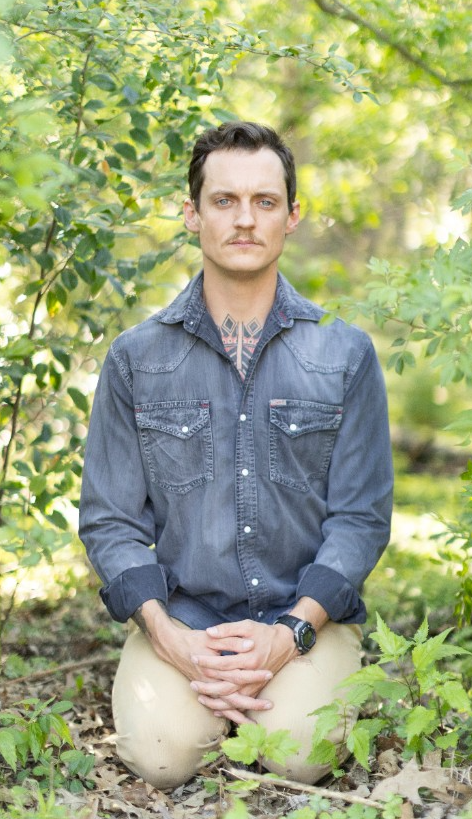
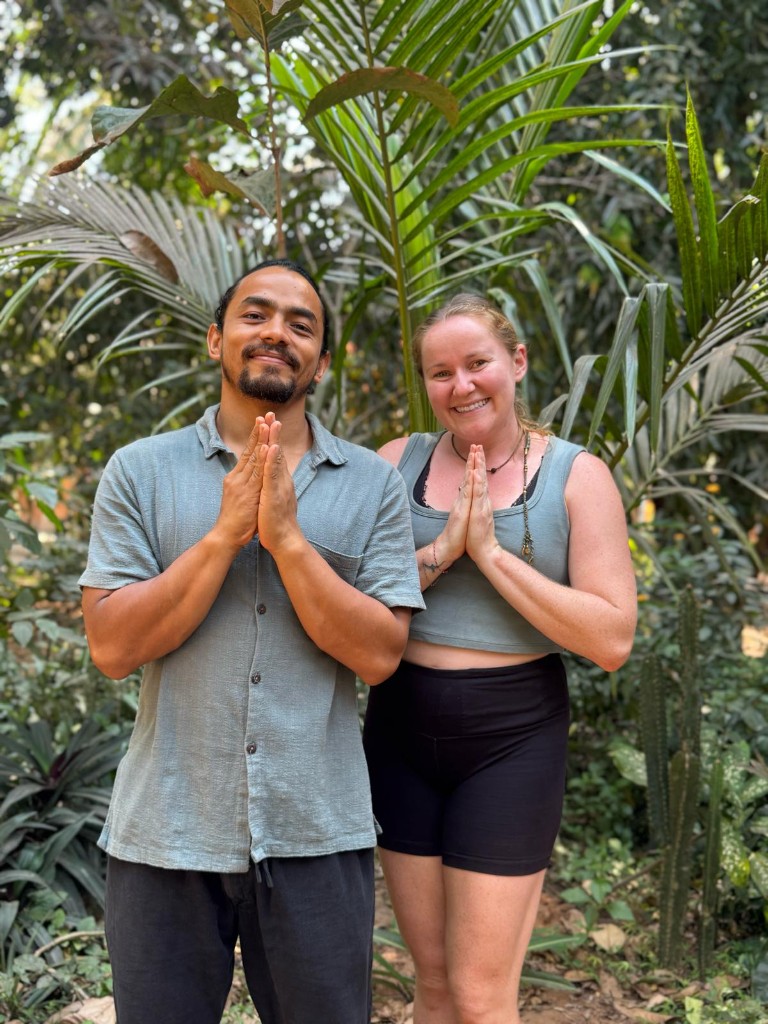
Nick Dearman
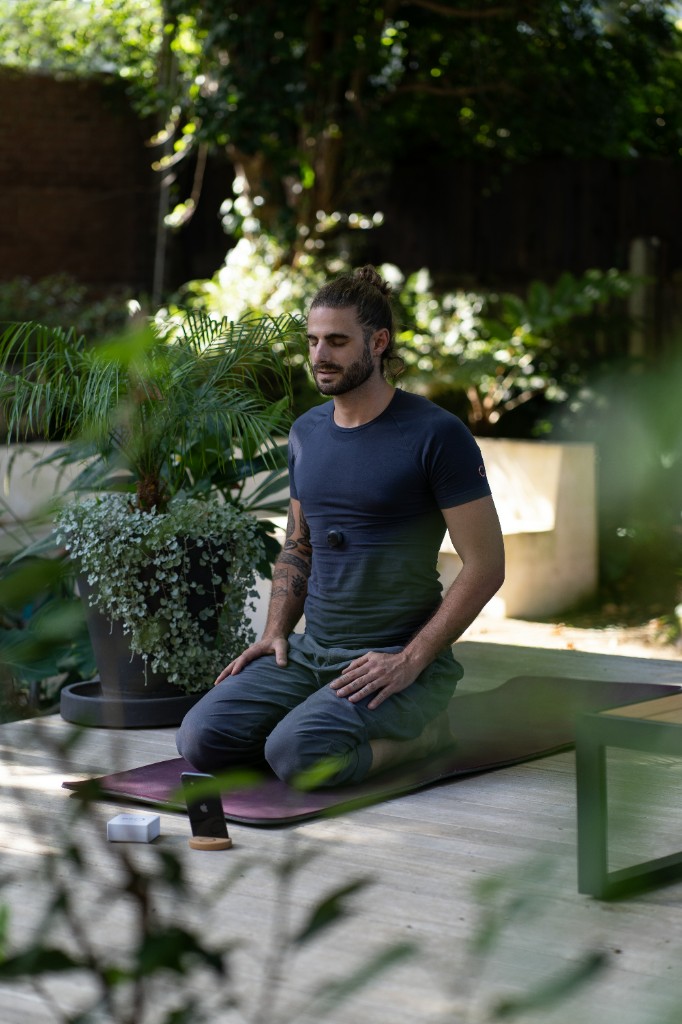
Meditation teacher and breath coach
Student of Ram Dass, Neem Karoli Baba devotee, spiritual scientist, international yoga instructor
Lived at Baba's Taos Ashram. Traveled across India among Himalayan saints. Ram Dass as primary teacher on conscious dying — with emphasis on holding people well in vulnerable experience, including through grief, trauma, and family.
Holding Space With
The Invitation
If you want to feel what the Yoga of Death is all about, try this exercise.
The Exercise
Bring to mind someone you're in conflict with. And now imagine that they've passed, and you're standing over their open casket, looking down at them. What would you feel? What would you want to say? What would you regret having said?
This is what world-renowned psychologist and meditation teacher, Stephen Levine, called our “unfinished business.”
Each of us carries around an invisible world of emotional baggage, which exists in a subtle realm inside of us that can often be hard to perceive. However, it creates the shape of our lives. Our spiritual development, it seems to me, is measured by our integrated awareness of this invisible, subtle, emotional world. Yoga, then, as a spiritual practice, is the context in which we make contact with it. Yoga is a looking glass through which we can view everything in us that is unsettled.
How did you feel about being asked to imagine death? What sorts of things are stirring in you right now?

The work
Breathwork
When we touch death directly, it reveals all the places that we are stuck. All of the unanswered questions, all the unmet desires, all the regrets and aspirations come out on the table. And then our work is — reasonably — easy.
This container is not for the faint of heart. This subject can be challenging, triggering, and vulnerable. If you're new to yoga or personal development work, this might not be for you. This is an experience for those who feel ready to get real and go deep. This is about shining light on some of the darkest shadows.
This experience is facilitated by a group of devoted practitioners of yoga, holistic wellness, and indigenous medicine traditions, who don't just make this their craft, but their life's purpose. We are here to serve you and hold you in these tender moments.

Ceremony
Temazcal
So much of our western culture is about suppressing and denying things we think are bad, death and pain being two of the most prominent among them. One could argue our whole consumerist way of life is designed for that purpose exactly: to distract us from the inevitability of death and pain.
“Grist for the mill of your own liberation.”
Ram Dass

The heart
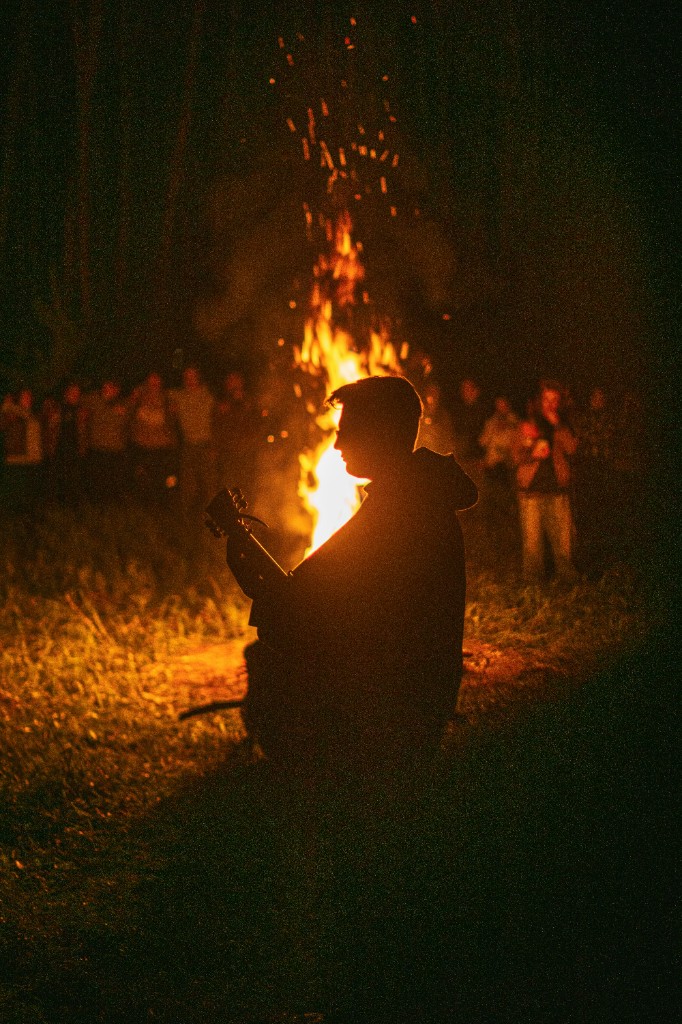
Conscious dying ritual
This yoga of death is about confronting it and working with it — what Ram Dass called “grist for the mill” of your own liberation. Yoga is about getting free. This practice is about gently and compassionately touching all our fear and grief and trauma and pain—whatever exists inside of us that lulls us into a sense of separateness, from God, from life, from ourselves.
You're never alone, but only you can realize your Self. Only you can know, for you, who you really are. Confronting your thoughts and feelings about death requires courage and patience. It requires a great deal of inward compassion. It requires flexibility, and a willingness to lean on tools and practice. It is challenging, but it's the most deeply rewarding practice. Because in the wake of touching the thing you're most afraid of is an incredible amount of grace.
Confronting the inevitability of death and pain imbues life with added richness. That's also something Ram Dass said. And as a cherry on top, I will also add another bit of his: “We're all just walking each other home.”
We are here to hold you, to hold each other, on our journey home. That's really what this is. Where it may seem like a dark subject to spend a week's vacation investigating, the enriched connection to the substance of life, which awaits you on the other side, makes it well worth it, I promise.
Are you ready to take this journey with us?
Take my hand, let's go home.

The Journey
Six Days, Six Thresholds
Limited to 16 participants · One chakra per day
Day 1 — Death of habit
Death of habit
Release patterns that no longer serve. Arrival, settling in, opening ceremony.
Day 2 — Death of relationship
Death of relationship
Let go of how you relate — to others, to yourself, to what was.
Day 3 — Death of ego
Death of ego
Somebody to nobody. The nervous system holds what the mind has forgotten.
Day 4 — Death of other
Death of other
Everything is God in drag. Death of separation. Volcano hike. Ecstatic dance.
Day 5 — Death of self
Death of self
Conscious Dying Ritual. Giving voice to pain. Completing the loop.
Day 6 — Going Home
Going Home
White attire. Closing ceremony. You leave different than you arrived.
Oct 11–16, 2026 · Guatemala · 12 spots remaining

The Sanctuary
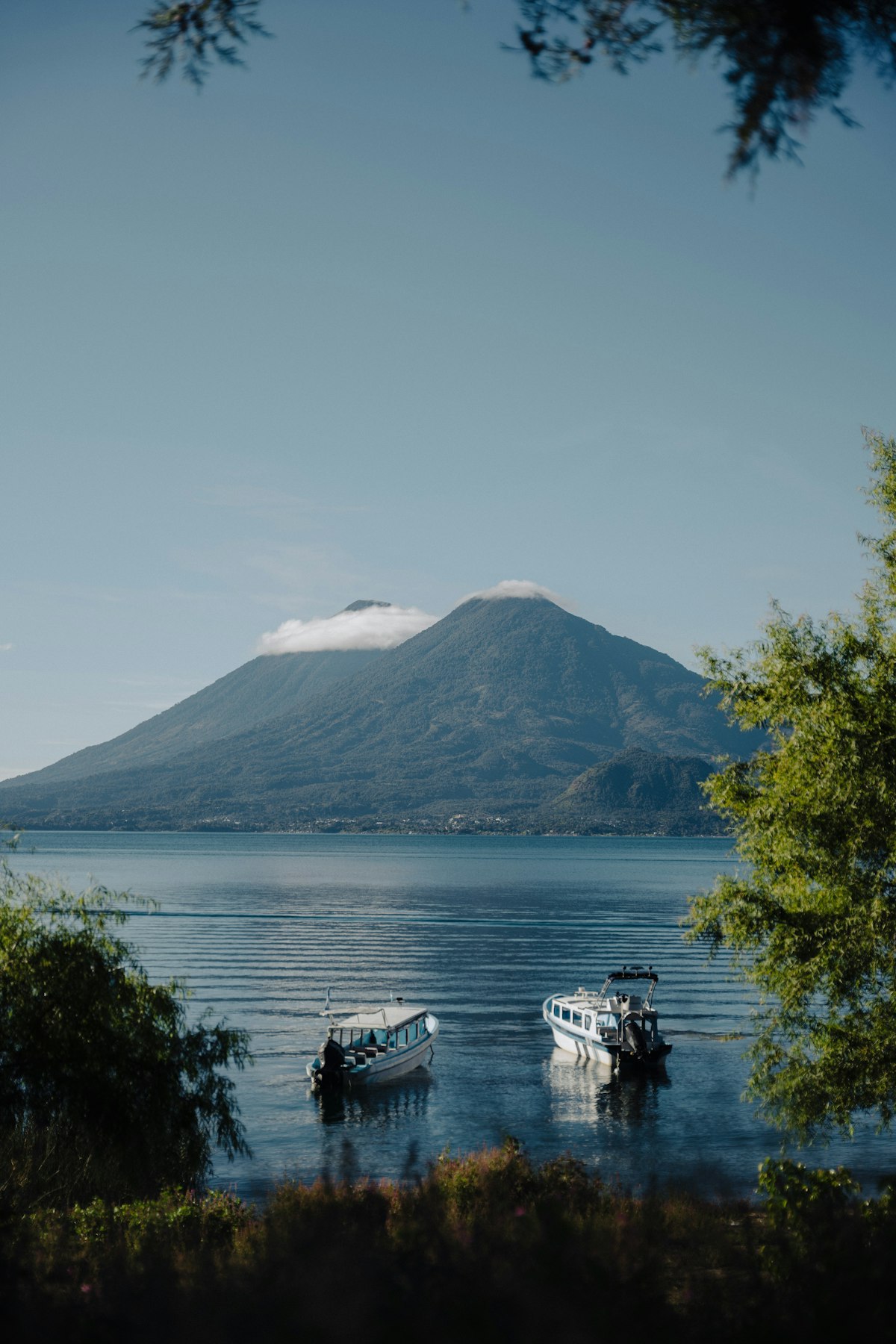
Maestro Valley
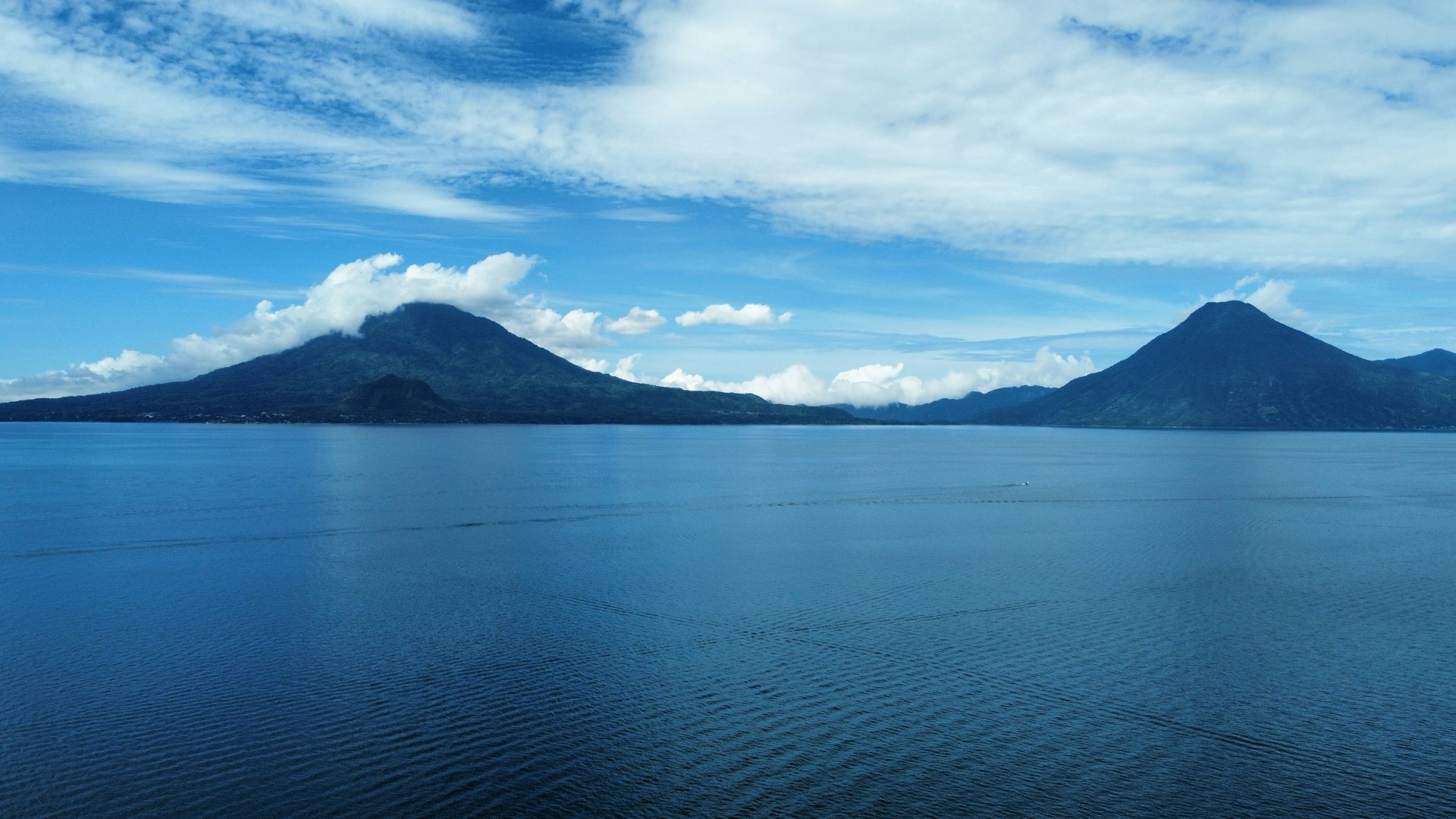
Lake Atitlán, Guatemala
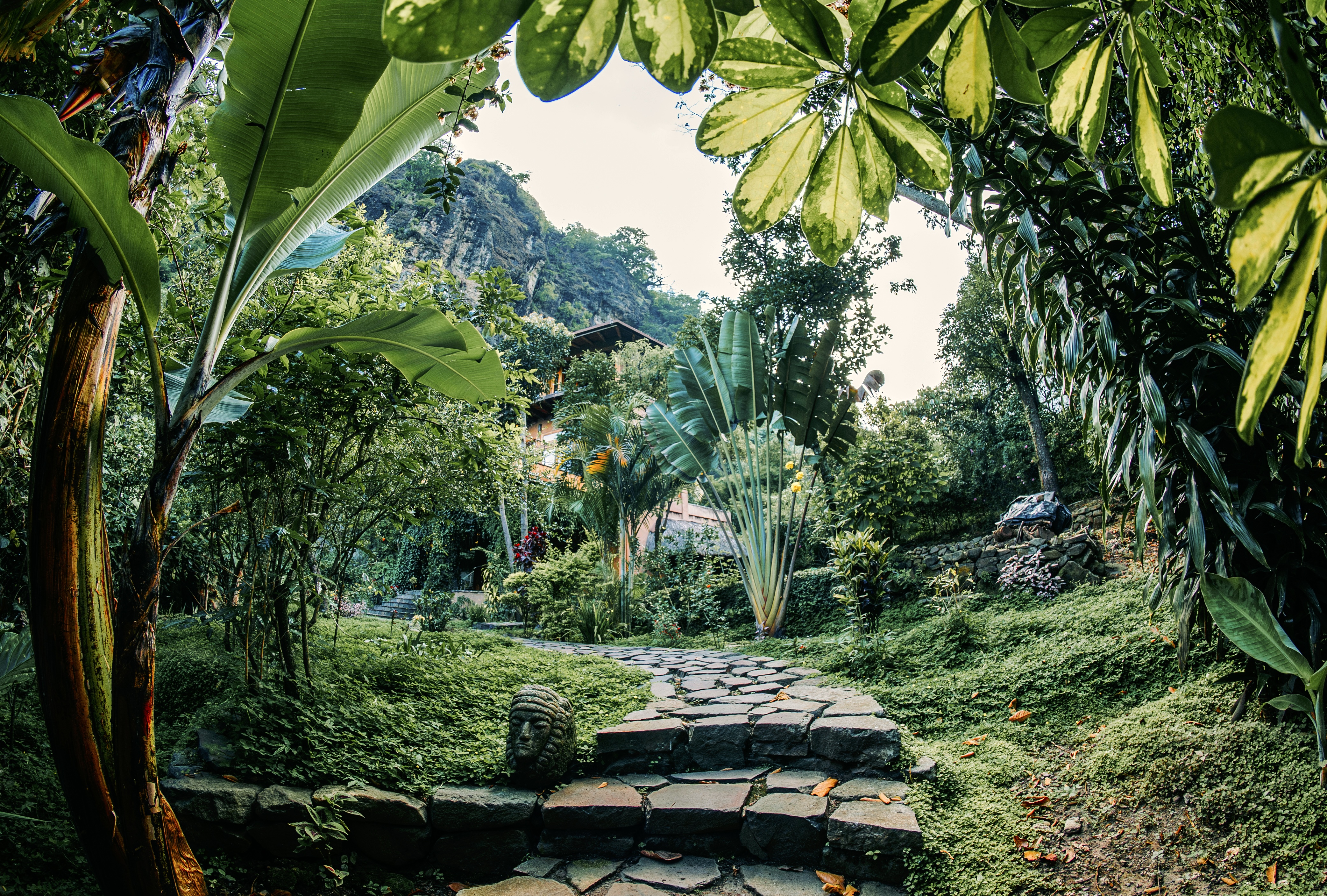
A regenerative off-grid sanctuary on two acres beside a cliff, surrounded by three volcanoes. Every detail designed around transformation — from charcoal-filtered water to red lights after sundown.
Organic, grass-fed meals prepared by local chefs. 100% solar power. Permaculture gardens. No plastic.
On the land
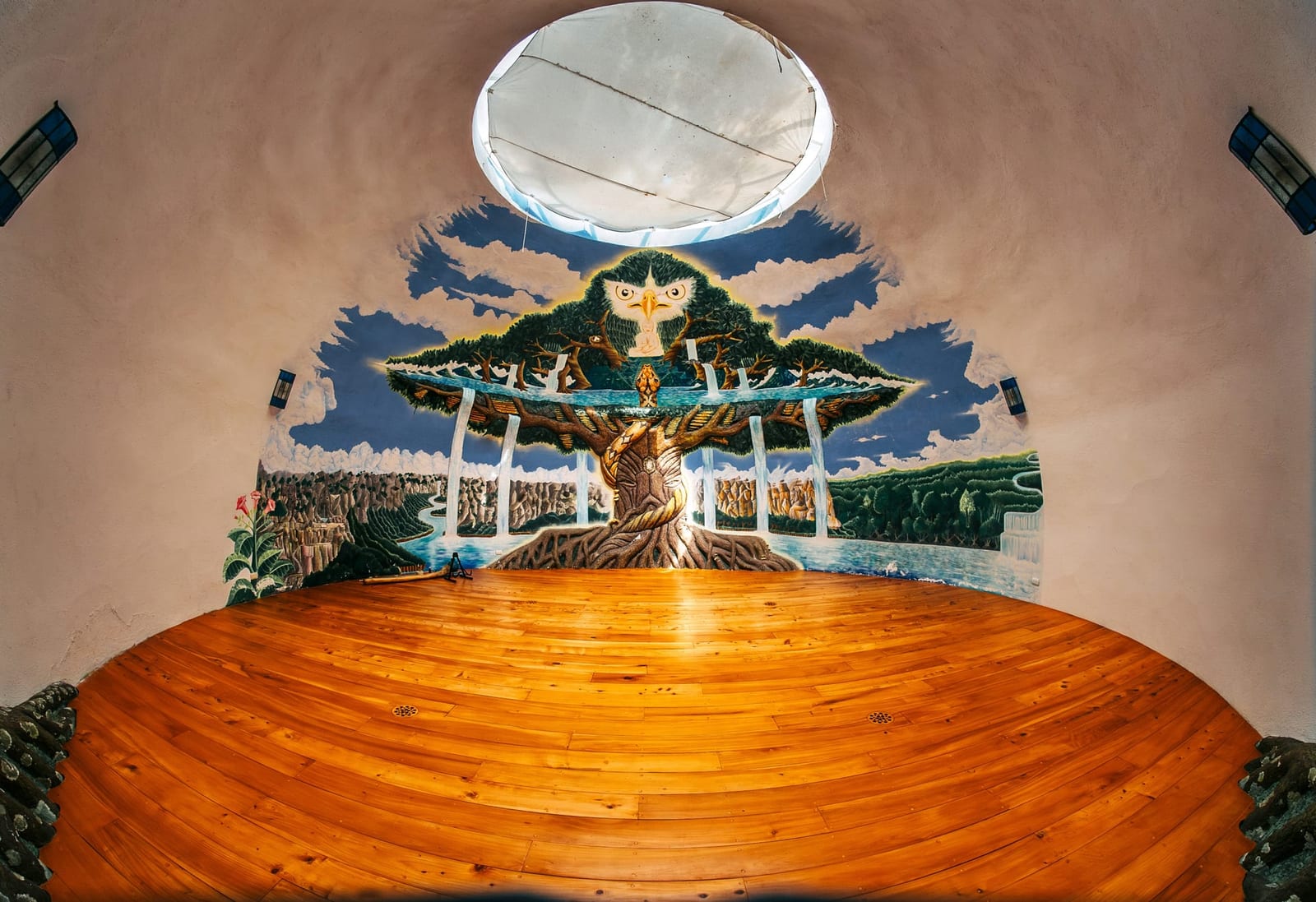
- Resonance Dome
- Cliff Temazcal
- Echo Temple
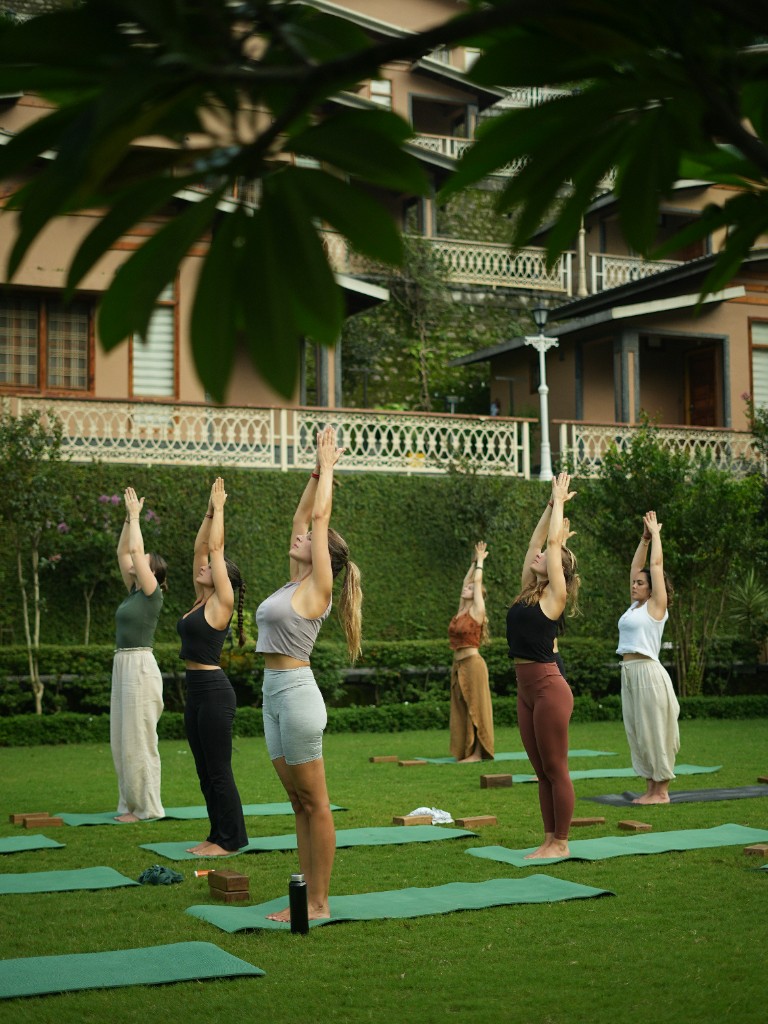
- Open-air Shala
- 100% Solar Power
- Permaculture Gardens
- Charcoal Water Filters
- Red Lights at Night
- Organic Grass-Fed Meals
- Natural Fiber Sheets

Accommodation
Choose Your Space
All rates include accommodation, meals, full programme, ceremonies, and venue access.
Proof
Voices from the field
Depth shows up in how people describe what shifted — emotionally, somatically, and in their lives.
“I came carrying grief I could not name. The structure let me land — and the practices gave me language for what was dying and what was asking to live.”
“This is not soft wellness. It is rigorous, kind, and honest. I felt held without being managed.”
“The venue and food matched the depth of the work. I could actually rest between sessions — that alone changed everything.”
Practicals
Questions & answers
Logistics, fit, and what happens after you apply. For the full list, see the FAQ page.
Couldn't find your question? Get in touch.
It names the practice honestly: we use death — literal and metaphorical — as a teacher. Through yoga, breath, meditation, ritual, and inquiry, we explore what needs to end so life can move with more truth. It is not morbid for its own sake; it is precise.
Oct 11–16, 2026 · Lake Atitlán
Die to the old.
Arise to the new.
Spaces are limited. Application required.